
5 Signs Your Cat Is Bored (And How to Help)
What does a cat need to thrive? You may think cats don't need much besides the basic necessities because of how fiercely independent they are as creatures. The reality, however, is that cats need enrichment and stimulation just like any other pet. Our friends over at Cat Topia, a catio company, wrote this blog to share their expert advice on ensuring your cat gets the enrichment they need to live their fullest life!
Adopting a new furry friend is one of the most exciting moments of your life. You spend hours researching the best type of food, how many beds you should buy, and what type of treats they might like. However, one of the most overlooked aspects of adopting a cat is enrichment. Many people think cats are low maintenance (which they are to a point) and can entertain themselves, but just like dogs, cats need attention, stimulation, and play as well.
Cats are natural predators, and we often see those instincts through zoomies around the house, climbing on furniture, scratching, stalking toys, or jumping on your head at 3 a.m. Our furry friends rely on us to create environments that allow them to safely express these natural behaviors in healthy ways. Without enough stimulation and enrichment, many cats can become bored, stressed, and frustrated over time.
Cats are also very good at hiding their emotions and how they feel. This comes from their instincts in the wild, where showing discomfort or weakness could make them vulnerable. Because of this, cats often communicate through behaviors we may see as “bad” or destructive. Aggression, not getting along with other pets in the household, excessive meowing, or tearing up your favorite pair of shoes is not always your cat simply being bad — it may be their way of telling you something is not right.
Over time, boredom and lack of enrichment can develop into real mental and physical health problems. Recognizing these signs early and creating a more enriching environment can help improve your cat’s quality of life, emotional wellness, and overall happiness. Here are five common signs your cat may be bored and simple ways you can help..jpg)
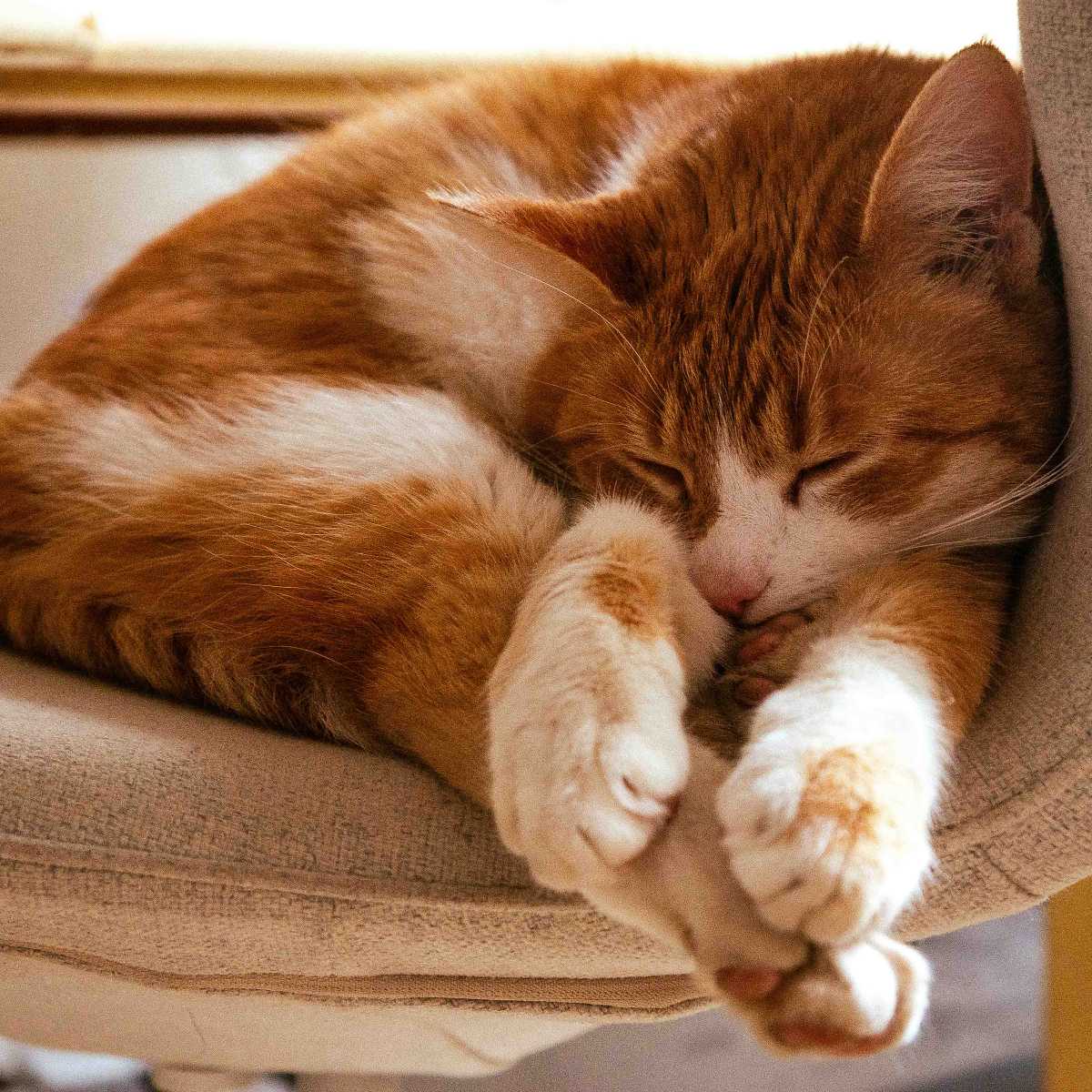
Adult cats naturally sleep around 12–16 hours a day, while seniors and kittens may sometimes sleep 20+ hours a day. While sleeping a lot is completely normal for cats and helps them conserve energy, sleeping more than they usually do, combined with a lack of interest in play or activity, could be a sign of boredom. Understimulated cats often spend most of their day sleeping simply because they have nothing engaging to do or interact with throughout the day.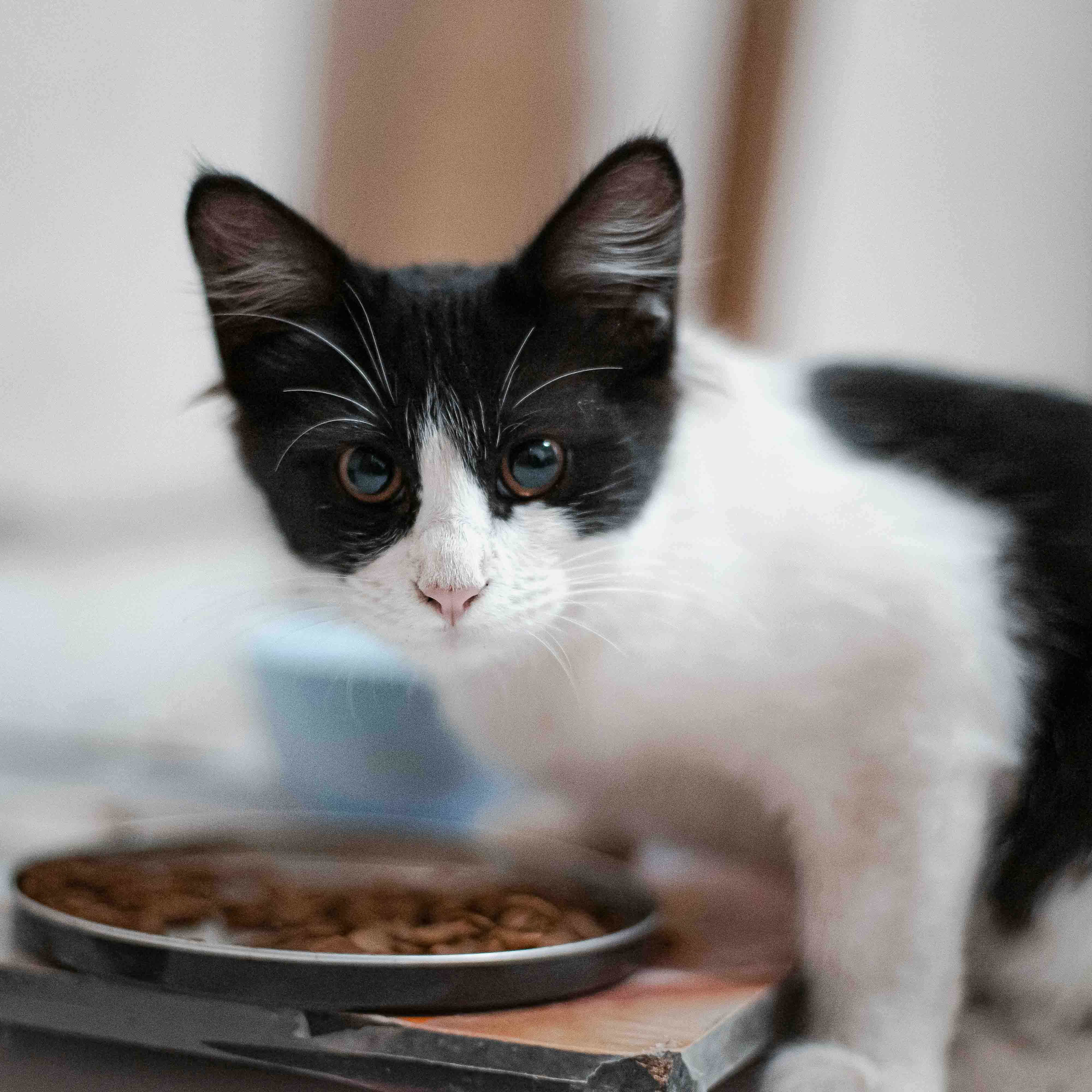
Some cats eat out of boredom just like humans do. Cats that lack physical activity and mental stimulation may spend more time sleeping, lounging around, and overeating simply because they have nothing else to engage with throughout the day. Over time, inactivity and overeating can lead to unhealthy weight gain, which may increase the risk of health problems such as diabetes, joint issues, and reduced mobility.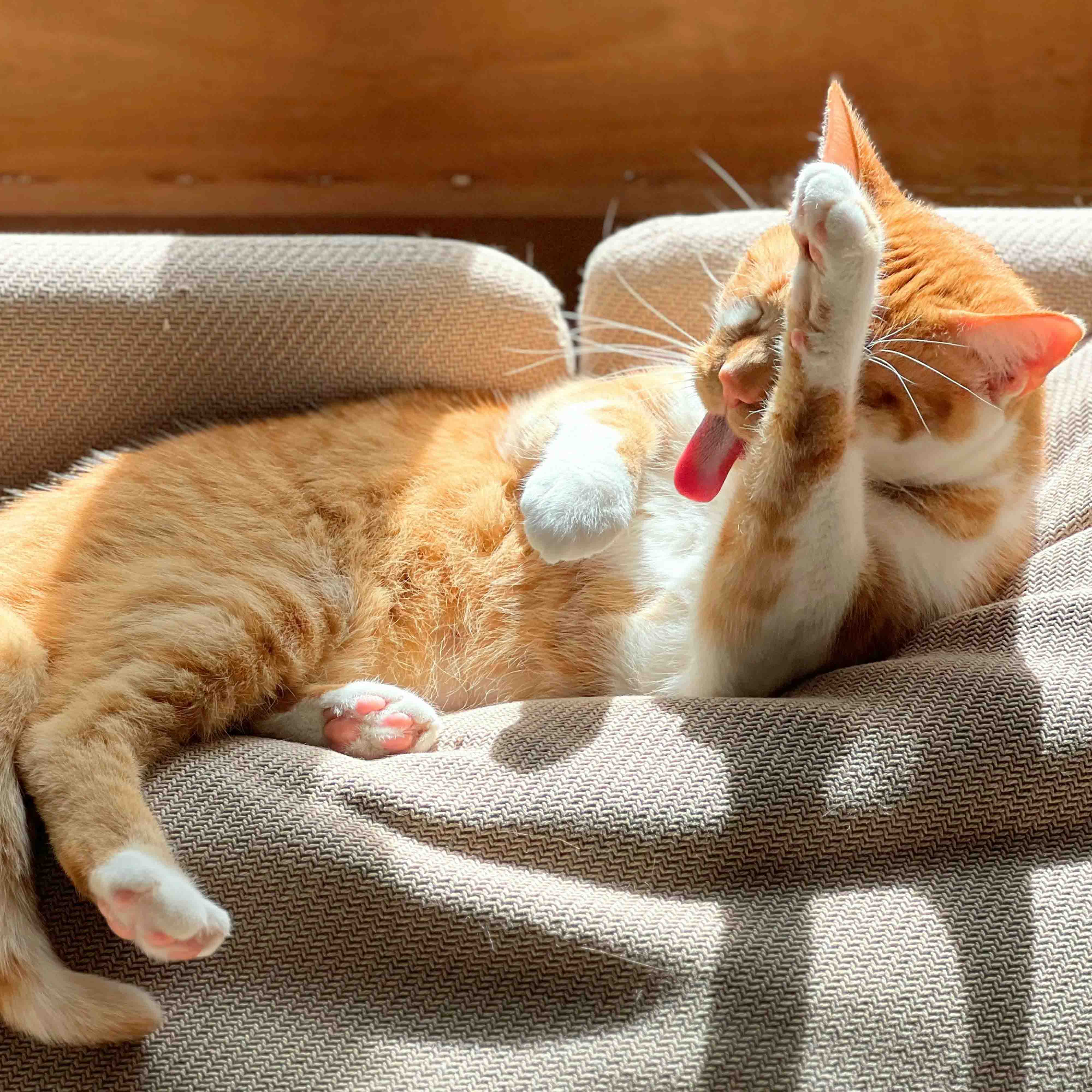
Cats naturally groom themselves every day, but excessive grooming that leads to patches of hair loss (alopecia), skin damage, scabbing, or even infections may be a sign of stress and anxiety. While overgrooming can sometimes be caused by wounds, allergies, or other underlying health issues, cats may also overgroom due to high stress and anxiety stemming from boredom. A cat’s emotional wellness is just as important as their physical health, which is why providing mental stimulation and a healthy environment plays an important role in their overall well-being.
Enrichment is more than just throwing toys on the ground and hoping your cat plays with them. True enrichment is understanding that cats need an environment that allows them to express their natural instincts through climbing, jumping, scratching, hunting, exploring, and of course having enough space for zoomies. While not everyone has the means or space for major changes, even small adjustments to your cat’s environment can make a big difference in their overall happiness and well-being. Creating spaces that encourage natural behaviors helps keep cats physically active, mentally stimulated, and emotionally healthy while reducing boredom-related behaviors.
Paying attention to changes in your cat’s behavior, energy levels, and daily habits can help you recognize when they may need more enrichment and stimulation throughout the day. The good news is that enrichment does not have to be expensive or complicated. Even small changes like adding climbing spaces, rotating toys, spending more time playing, or creating new areas to explore can make a meaningful difference in your cat’s physical health, emotional wellness, and overall happiness.
Go Back Adopting a new furry friend is one of the most exciting moments of your life. You spend hours researching the best type of food, how many beds you should buy, and what type of treats they might like. However, one of the most overlooked aspects of adopting a cat is enrichment. Many people think cats are low maintenance (which they are to a point) and can entertain themselves, but just like dogs, cats need attention, stimulation, and play as well.
Cats are natural predators, and we often see those instincts through zoomies around the house, climbing on furniture, scratching, stalking toys, or jumping on your head at 3 a.m. Our furry friends rely on us to create environments that allow them to safely express these natural behaviors in healthy ways. Without enough stimulation and enrichment, many cats can become bored, stressed, and frustrated over time.
Cats are also very good at hiding their emotions and how they feel. This comes from their instincts in the wild, where showing discomfort or weakness could make them vulnerable. Because of this, cats often communicate through behaviors we may see as “bad” or destructive. Aggression, not getting along with other pets in the household, excessive meowing, or tearing up your favorite pair of shoes is not always your cat simply being bad — it may be their way of telling you something is not right.
Over time, boredom and lack of enrichment can develop into real mental and physical health problems. Recognizing these signs early and creating a more enriching environment can help improve your cat’s quality of life, emotional wellness, and overall happiness. Here are five common signs your cat may be bored and simple ways you can help.
1. Sleeping More Than Usual
Adult cats naturally sleep around 12–16 hours a day, while seniors and kittens may sometimes sleep 20+ hours a day. While sleeping a lot is completely normal for cats and helps them conserve energy, sleeping more than they usually do, combined with a lack of interest in play or activity, could be a sign of boredom. Understimulated cats often spend most of their day sleeping simply because they have nothing engaging to do or interact with throughout the day.
2. Destructive Behavior
Torn up couch? Chewed-up shoelaces? While these are normal cat behaviors, cats naturally scratch items around the house to maintain and sharpen their claws. However, excessive scratching on furniture, walls, or carpets, along with constantly chewing household items, may be a sign that your cat is craving more enrichment and stimulation. Providing scratching posts, and interactive toys can help redirect these natural instincts in a healthy way.3. Overeating or Weight Gain
Some cats eat out of boredom just like humans do. Cats that lack physical activity and mental stimulation may spend more time sleeping, lounging around, and overeating simply because they have nothing else to engage with throughout the day. Over time, inactivity and overeating can lead to unhealthy weight gain, which may increase the risk of health problems such as diabetes, joint issues, and reduced mobility.
4. Excessive meowing
Cats that are bored or understimulated often look for attention and stimulation however they can. Excessive meowing, knocking items off counters, following you around the house constantly, or waking you up at night may all be signs that your cat is not getting enough mental or physical enrichment throughout the day. Interactive play sessions, climbing spaces, and puzzle toys can help keep cats engaged and reduce attention-seeking behaviors.5. Overgrooming
Cats naturally groom themselves every day, but excessive grooming that leads to patches of hair loss (alopecia), skin damage, scabbing, or even infections may be a sign of stress and anxiety. While overgrooming can sometimes be caused by wounds, allergies, or other underlying health issues, cats may also overgroom due to high stress and anxiety stemming from boredom. A cat’s emotional wellness is just as important as their physical health, which is why providing mental stimulation and a healthy environment plays an important role in their overall well-being.
Rule Out Underlying Health Problems First
While these behaviors can sometimes be signs of boredom or lack of enrichment, they may also be linked to underlying health problems or medical conditions. Changes in behavior such as excessive sleeping, overeating, overgrooming, aggression, or excessive vocalization can sometimes be a cat’s way of signaling discomfort, pain, stress, or illness. If you notice sudden behavioral changes or ongoing symptoms, it is important to consult with your veterinarian to help rule out any underlying health issues before assuming boredom is the cause.How to Add More Enrichment to Your Cat’s Life
Enrichment is more than just throwing toys on the ground and hoping your cat plays with them. True enrichment is understanding that cats need an environment that allows them to express their natural instincts through climbing, jumping, scratching, hunting, exploring, and of course having enough space for zoomies. While not everyone has the means or space for major changes, even small adjustments to your cat’s environment can make a big difference in their overall happiness and well-being. Creating spaces that encourage natural behaviors helps keep cats physically active, mentally stimulated, and emotionally healthy while reducing boredom-related behaviors.
Some simple ways to add more enrichment to your cat’s life include:
-
Interactive play sessions: Spending just 10–15 minutes a day using wand toys, balls, or toy mice can help your cat stay physically active while encouraging their natural hunting instincts.
- Food puzzles and treat toys: Instead of placing food in a bowl, puzzle feeders can turn mealtime into a mentally stimulating activity that encourages problem-solving and movement.
- Adding vertical places: Placing cat hammocks high up or installing shelves throughout your home gives cats safe places to climb, perch, and observe their surroundings.
- Window perches for birdwatching: Setting up a perch near a window can provide hours of entertainment and mental stimulation for indoor cats.
- Rotating toys regularly: Keeping the same toys out all the time can become boring, so rotating toys every few days can help keep playtime exciting and engaging.
- Scratching posts and scratching pads: Placing scratching surfaces in areas your cat already likes to scratch can help redirect destructive scratching behaviors in a healthy way.
- Safe Outdoor enrichment: For those who have the space, safe outdoor areas such as catios can provide cats with fresh air and endless stimulation through new sights, sounds, and smells. Explore some catio ideas to spark inspiration for your own space.
Small Changes Can Make a Big Difference
Boredom is more than just a behavioral issue for cats, over time it can affect both their mental and physical health. Cats rely on us to create environments that allow them to express their natural instincts through play, climbing, scratching, exploring, and hunting-like behaviors. When those needs are not being met, boredom and stress can slowly impact their overall happiness and quality of life.Paying attention to changes in your cat’s behavior, energy levels, and daily habits can help you recognize when they may need more enrichment and stimulation throughout the day. The good news is that enrichment does not have to be expensive or complicated. Even small changes like adding climbing spaces, rotating toys, spending more time playing, or creating new areas to explore can make a meaningful difference in your cat’s physical health, emotional wellness, and overall happiness.